By First Buster | Business & Markets
Tesla stock is facing renewed pressure after reports indicated that the electric vehicle giant’s global sales have fallen to their lowest level since 2022. The decline comes at a time when public backlash against CEO Elon Musk is intensifying, raising fresh concerns among investors about the company’s brand strength and future growth.
Tesla Sales Show Sharp Slowdown
Industry data and market analysts suggest that Tesla has experienced a noticeable slowdown in vehicle deliveries across key markets, including the United States, Europe, and parts of Asia. This marks the weakest sales performance the company has seen in nearly two years, breaking the growth momentum that once defined Tesla’s dominance in the EV sector.
While competition from traditional automakers and Chinese EV brands has played a role, analysts say demand softness and shifting consumer sentiment are now becoming equally important factors.
Elon Musk Backlash Weighs on Brand Image
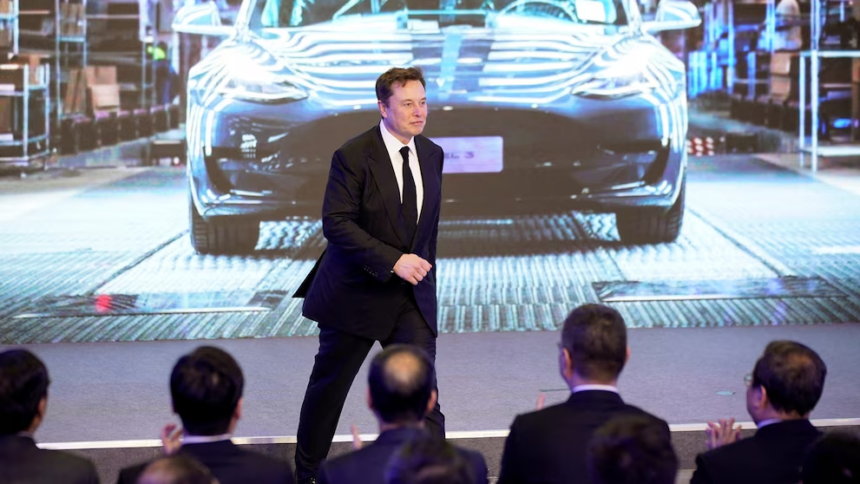
A growing number of consumers and investors are linking Tesla’s recent struggles to increasing controversy surrounding Elon Musk. His political commentary, public disputes, and polarising social media presence have triggered backlash from certain customer segments, particularly in urban and environmentally conscious markets that once formed Tesla’s core audience.
Brand experts note that while Musk’s outspoken style previously helped Tesla stand out, it is now becoming a potential liability as buyers reassess their purchasing decisions.
Tesla Stock Reacts to Weak Outlook
Tesla stock has shown increased volatility following the sales reports, with investors closely monitoring how the company plans to respond. Market sentiment has shifted from long-term optimism to short-term caution, especially as Tesla faces pressure to protect margins through price cuts while maintaining profitability.
Some analysts have revised their growth forecasts downward, citing slower demand, intensifying competition, and reputational risks.
Competition Intensifies in the EV Market
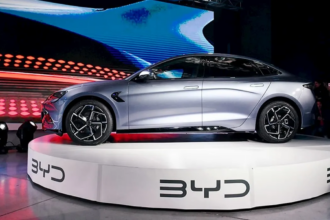
Tesla is no longer operating in a low-competition environment. Legacy automakers are rapidly expanding their electric vehicle lineups, while Chinese manufacturers are offering lower-priced alternatives with advanced features. This competitive landscape is making it harder for Tesla to rely solely on brand loyalty and early-mover advantage.
Experts believe Tesla’s next phase of growth will depend on innovation, affordability, and a clear strategic roadmap rather than personality-driven leadership.
What’s Next for Tesla?
Despite the current challenges, Tesla remains a major force in the global EV market with strong technology, charging infrastructure, and production capabilities. However, investors and consumers alike are watching closely to see whether the company can stabilise sales, rebuild brand trust, and adapt to changing market dynamics.
For now, Tesla’s latest sales decline serves as a reminder that even industry leaders are not immune to public perception, leadership controversies, and evolving consumer expectations.